Disclosure: Pallas Growth is a cash home buyer. The information in this article is intended to be educational and objective. We also provide the cash purchase services described here.
If you've missed mortgage payments on your New Jersey home, or received a letter from your lender threatening legal action, you're probably wondering: how does foreclosure actually work in this state, and how long do you have? The answer matters enormously, because New Jersey is one of the most borrower-protective states in the country. Its judicial foreclosure process moves slowly, and that gives homeowners real time to act if they understand the timeline.
This guide walks through every phase of NJ foreclosure, from the first missed payment to the sheriff's sale, your legal rights under the NJ Fair Foreclosure Act (N.J.S.A. 2A:50-53 et seq.), and the fastest options to stop the process before you lose your home. For official court filings and case status, you can search the NJ Courts website. The full text of the Fair Foreclosure Act is available at the NJ Legislature website.
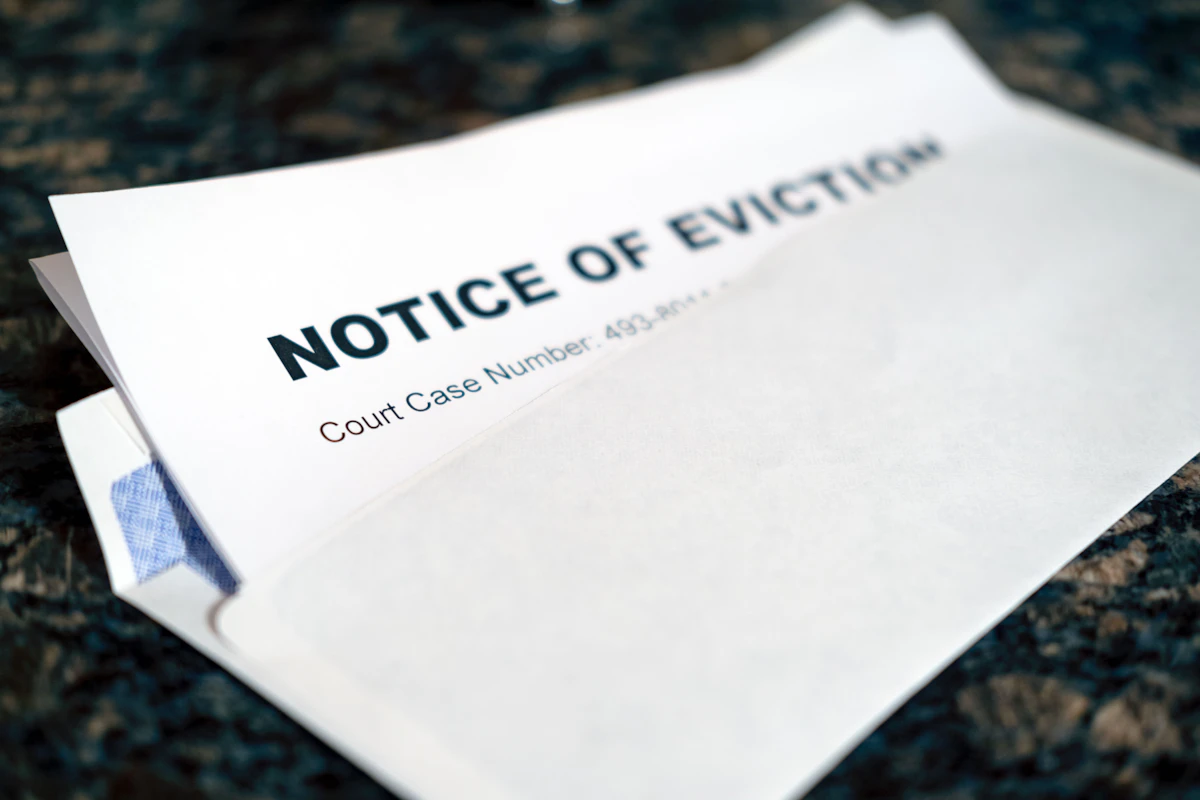
New Jersey: One of the Longest Foreclosure Timelines in the Country
New Jersey is a judicial foreclosure state. Unlike non-judicial states such as Texas or Georgia, where lenders can foreclose quickly under a power of sale outside the courts, every NJ foreclosure must go through the NJ Superior Court, Chancery Division. That requires filing a complaint, serving the homeowner, waiting for a response, and obtaining a court-issued judgment before a sheriff's sale can be scheduled.
The average foreclosure timeline in New Jersey runs 3 to 5 years from the first missed payment to the completed sheriff's sale. In years when court backlogs are severe, as they were following the 2008 crisis and again after the 2020 pandemic moratoriums lifted, average timelines have stretched even longer. Essex, Hudson, and Camden Counties, which handle high volumes of foreclosure cases, often have the most significant delays.
This long window is a double-edged sword. On one hand, it gives homeowners far more time to explore alternatives than most states allow. On the other, the accrual of unpaid interest, late fees, attorneys' fees, and New Jersey's notoriously high property taxes (the highest effective rate in the nation at approximately 2.49%) means every month of delay shrinks the equity cushion between what you owe and what your home is worth.
The key insight: you have time, but you must act deliberately. Homeowners who understand the timeline use it to their advantage (selling for cash, pursuing loan modifications, or participating in mediation) while those who ignore the process lose their home and often all remaining equity.
Phase 1: Missed Payments and Pre-Foreclosure (Days 1–120)
The Federal 120-Day Rule
Federal law, specifically the Consumer Financial Protection Bureau's (CFPB) mortgage servicing rules under RESPA (12 CFR Part 1024), prohibits lenders from filing a foreclosure action until you are more than 120 days past due on your mortgage payments. This applies in all states, including New Jersey. During this 120-day window, the lender must make reasonable efforts to contact you and inform you of loss mitigation options.
In practical terms, this means missing one or two payments will trigger call attempts and letters, but the formal legal process cannot begin. Use this window. It's the least costly time to address the problem.
NJ Fair Foreclosure Act Notice Requirements
On top of the federal rule, the NJ Fair Foreclosure Act (N.J.S.A. 2A:50-53 et seq.) requires lenders to send a written Notice of Intention to Foreclose at least 30 days before filing a foreclosure complaint. This notice must be sent by certified and regular mail to the property address and must include:
- The amount needed to cure the default (the exact dollar figure to bring the loan current)
- The date by which payment must be made to avoid a lawsuit (no less than 30 days from the notice date)
- Contact information for the lender or servicer's loss mitigation department
- A statement of your right to apply for loss mitigation assistance
A lender that files a foreclosure complaint without sending this notice has violated the Act, a defense your attorney can raise to delay or dismiss the complaint.
Loss Mitigation and the NJ HomeKeeper Program
During pre-foreclosure, several programs are available. The New Jersey Housing and Mortgage Finance Agency (NJHMFA) HomeKeeper Program provides temporary mortgage assistance to eligible homeowners facing hardship. Additionally, under RESPA, servicers must evaluate any complete loss mitigation application submitted before the filing of a foreclosure complaint.
Options typically reviewed during loss mitigation include: loan modification (permanently changing the loan terms), repayment plan (spreading the arrears over future payments), forbearance (temporary pause or reduction in payments), short sale (selling for less than the payoff with lender approval), or deed in lieu of foreclosure (transferring the deed to the lender to satisfy the debt). If you're facing a longer-term hardship and these options don't work, selling for cash is often the cleanest solution. Read more in our companion post: Behind on Mortgage Payments in New Jersey? Here Are Your Real Options.
Phase 2: Lis Pendens Filed and Foreclosure Complaint Served (Months 3–6)
Once the 120-day federal period has elapsed and the 30-day NJ Fair Foreclosure Act notice has been sent without resolution, the lender's attorney files a foreclosure complaint in the NJ Superior Court, Chancery Division, in the county where the property is located: Essex County for Newark, Hudson County for Jersey City, Camden County for Camden, Mercer County for Trenton, and so on across all 21 NJ counties.
Simultaneously, the lender records a lis pendens, Latin for "pending lawsuit", with the county clerk's office. This public record notice, governed by N.J.S.A. 2A:15-6, warns any would-be buyer or creditor that the property is subject to active foreclosure litigation. The lis pendens clouds the title and prevents conventional financed buyers from purchasing the home until it is discharged. For a detailed explanation of lis pendens and how a cash sale resolves it, see our guide: What Is a Lis Pendens in New Jersey, And Can You Still Sell Your Home?
Service of Process and Your 35-Day Response Window
After the complaint is filed, you must be formally served with the summons and complaint, typically by a county sheriff's officer or a licensed process server. New Jersey gives homeowners 35 days to file a written response (answer) to the foreclosure complaint. This is longer than Florida's 20-day window, and it matters: an answer preserves your right to contest, participate in mediation, and raise legal defenses.
Common defenses raised in NJ foreclosure answers include: the lender failed to send the required Notice of Intention to Foreclose; the lender lacks standing (e.g., cannot prove it owns the note); the servicer failed to properly evaluate a loss mitigation application; or the loan was originated through predatory practices. Even if you don't intend to litigate long-term, filing an answer buys additional time and forces the lender to engage in the formal litigation process.
Phase 3: Default or Contested: The Court Process (Months 6–24+)
The Uncontested Path: Office of Foreclosure
If you do not file an answer within 35 days, the lender moves for default. The case is processed administratively through the NJ Superior Court Office of Foreclosure, a specialized office in Trenton that handles uncontested residential mortgage foreclosures statewide. The Office reviews the lender's paperwork, enters a final judgment if everything is in order, and the case is then returned to the county court for the sheriff's sale scheduling.
Even on the uncontested path, this process takes time. NJ courts have historically carried significant backlogs in the Office of Foreclosure, meaning the administrative review alone can take several months to over a year, depending on case volume at the time. From complaint filing to final judgment on an uncontested case often runs 12 to 18 months.
The Contested Path: Assignment to a Judge
If you file an answer, the case is marked contested and assigned to a Superior Court judge in the county where the property is located. The parties then engage in motion practice, the lender typically files a motion for summary judgment arguing there are no genuine disputes of fact, and potentially discovery (exchange of documents, depositions). A contested NJ foreclosure case can easily add 1 to 2 years to the timeline, and complex cases can stretch far longer.
Mandatory Mediation: NJ Foreclosure Mediation Program
New Jersey operates a Foreclosure Mediation Program that gives homeowners the opportunity to meet with a neutral mediator and the lender's representative to explore alternatives to foreclosure. Mediation is available in all 21 NJ counties and is free to the homeowner. To participate, you must be a residential homeowner and must request mediation, either by responding to the foreclosure complaint or by contacting the Office of Foreclosure directly.
Mediation does not stop the foreclosure permanently, but it creates a structured forum where lenders are required to attend and negotiate in good faith. Successful mediations often result in loan modifications or agreed short sales. Even if mediation fails, participating signals to the court that you are engaged and can sometimes influence how the judge manages the case timeline.
Final Judgment of Foreclosure
Whether contested or uncontested, the process ends when the court issues a Final Judgment of Foreclosure. This court order establishes the total amount owed (principal, interest, attorneys' fees, and costs) and authorizes the sheriff to sell the property. The judgment amount becomes the lender's starting bid at the sheriff's sale.
Phase 4: The Sheriff's Sale (After Final Judgment)
Once the Final Judgment is entered, the county sheriff schedules a public auction, commonly called the sheriff's sale. By statute, the sale must be scheduled no sooner than 60 days after the judgment is entered, giving homeowners one final window to sell, refinance, or cure the default.
How the Sheriff's Sale Works in NJ
Sheriff's sales in New Jersey are held at the county courthouse or, increasingly, online through digital auction platforms, depending on the county. Each of New Jersey's 21 county sheriff's offices manages its own auction schedule. The lender typically bids up to the judgment amount: meaning if no outside bidder exceeds that amount, the lender takes ownership of the property (this is called a "bank REO" or "real estate owned" property). If an outside bidder wins, the proceeds first pay off the lender; any surplus goes to the former homeowner or junior lien holders.
Participation in the auction requires a 20% deposit in cash or certified funds at the time of bidding, with the balance due within 30 days. This requirement effectively limits competitive bidding to cash-ready investors, which is why sheriff's sale prices frequently come in below actual market value, often 20% to 40% below, meaning homeowners who wait for the auction often receive nothing, while a cash sale arranged beforehand would have returned equity to their pocket.
You can check upcoming sheriff's sales for all 21 NJ counties through each county sheriff's website. The NJ Sheriff's Association provides links to county-level auction schedules.
The 10-Day Redemption Period After the Sheriff's Sale
New Jersey provides a 10-day post-sale redemption period after the sheriff's sale is conducted. During this 10-day window, the former homeowner, or any party with a junior interest in the property, can redeem the property by paying the full amount bid at the auction plus any additional costs to the winning bidder.
In practice, this redemption right is rarely exercised. If a homeowner had the funds to pay the full judgment amount plus auction costs, they would typically have used those funds to cure the default long before reaching the sheriff's sale. The 10-day period is more useful for junior lien holders (second mortgage holders, judgment creditors, or municipal tax lien holders) who may redeem to protect their own interests.
The takeaway: once the sheriff's sale is completed and the 10-day redemption period expires, you have permanently lost ownership of the property. The winning bidder receives the sheriff's deed and can take possession.
What Happens to Your Credit During NJ Foreclosure
Understanding the credit impact of NJ foreclosure matters for your long-term financial recovery. Here is the accurate timeline of what appears on your credit report and when:
- Missed payments (30/60/90+ days late): These appear immediately on your credit report once reported by the servicer, typically within 30 to 60 days of the missed due date. Each missed payment is a separate negative entry. A 90-day late payment alone can drop a score by 100+ points.
- Foreclosure complaint filing: The lis pendens and complaint filing do not appear directly on credit reports. However, if the lender reports the account as "in foreclosure" to the credit bureaus (which many do), this appears as a separate negative mark.
- Completed foreclosure (after sheriff's sale and deed transfer): This is reported as a completed foreclosure on your credit file and remains for 7 years from the original delinquency date. This is the single most damaging item on a credit file, often reducing scores by 150 points or more, and significantly impairs your ability to obtain new mortgage financing (most lenders require a 3-to-7-year waiting period after foreclosure, depending on loan type).
The credit benefit of selling for cash before the sheriff's sale is significant: a voluntary sale, even a short sale, does not result in a "foreclosure" entry on your credit report. The missed payments still appear, but a foreclosure judgment does not. This meaningfully shortens your credit recovery timeline and makes it easier to obtain future financing.
Your Rights Under the NJ Fair Foreclosure Act
Enacted in 1995, the New Jersey Fair Foreclosure Act (N.J.S.A. 2A:50-53 through 2A:50-73) is one of the stronger state-level homeowner protection statutes in the country. It creates rights that exist on top of federal protections. Key provisions include:
Right to Proper Pre-Filing Notice
As detailed in Phase 1, the lender must send a written Notice of Intention to Foreclose at least 30 days before filing the complaint. The notice must specify the exact amount needed to cure the default and contact information for loss mitigation. A lender that skips this notice or sends it with deficient information has committed a procedural violation, a defense you can raise in court.
Right to Cure the Default (Reinstatement)
Under the Fair Foreclosure Act, a homeowner has the right to cure the default (bring the loan current by paying all overdue amounts, late fees, and the lender's attorney fees incurred up to that point) at any time before the entry of Final Judgment. This is called reinstatement. Once you reinstate, the loan returns to its original terms and the foreclosure complaint is dismissed.
This right is valuable but often difficult to exercise in practice. By the time most homeowners consider reinstatement, months of arrears plus attorney fees have accumulated into a six-figure sum. Still, if you receive an inheritance, insurance payout, or other lump sum while in foreclosure, reinstatement is a viable path.
Right to Mediation
As described above, the NJ Foreclosure Mediation Program gives you the right to request a mediation conference. The lender must participate and engage in good-faith discussions. You have the right to appear with an attorney or HUD-approved housing counselor at no cost to you.
Right to Contest in Court
Every NJ homeowner has the right to file an answer to the foreclosure complaint and present defenses before a Superior Court judge. This right to a day in court is the cornerstone of the judicial foreclosure system and is why NJ timelines are so long: the courts must afford due process to every defendant, regardless of whether the case ultimately proceeds to sale.
The Fastest Way to Stop NJ Foreclosure
If your goal is to stop the foreclosure process, preserve credit, and walk away with whatever equity remains, a cash sale before the sheriff's sale date is the fastest and most reliable path. Here's why it works:
No financing contingency means no approval delays
A cash buyer can close about 2–3 weeks after a roughly 10-business-day inspection. There is no mortgage underwriting, no appraisal contingency, and no lender approval process. The speed is real and matters when a sheriff's sale date is approaching.
The lis pendens is discharged at closing
The closing attorney pays off your mortgage balance from the sale proceeds. The lender then records a discharge of mortgage, which releases the lis pendens. The foreclosure complaint is voluntarily dismissed because the debt is satisfied.
No "foreclosure" entry on your credit report
Because you sold voluntarily before the court entered a judgment and the sheriff conducted a sale, the foreclosure is never completed, and a completed foreclosure never appears on your credit report. Missed payments do appear, but that's a much shorter recovery curve.
You receive your remaining equity
After the mortgage payoff, any remaining proceeds come directly to you. At a sheriff's auction, that equity is often consumed by below-market pricing, accumulated fees, and costs. A cash sale typically returns more equity to the homeowner.
For a detailed breakdown of the options specifically designed to stop NJ foreclosure, including cash sales, loan modifications, and short sales, read our full guide: How to Stop Foreclosure in New Jersey by Selling Your Home Fast. And if you want to understand what happens after a foreclosure complaint is filed on your specific property, see our page on foreclosure help in New Jersey.
Frequently Asked Questions
Q: How long does foreclosure take in New Jersey?
New Jersey foreclosures typically take 3 to 5 years from the first missed payment to the completed sheriff's sale, making it one of the longest foreclosure timelines in the United States. The timeline varies significantly based on whether the case is contested and how backlogged the county court is. Uncontested cases handled through the NJ Office of Foreclosure may move faster, 12 to 18 months from complaint filing to final judgment, but contested cases routinely take 2 to 4 years in litigation alone.
Q: Can I sell my home after a lis pendens is filed in NJ?
Yes. A lis pendens filing does not prevent a sale. It does mean the outstanding mortgage balance must be paid off at closing to discharge the lien and transfer clear title. Cash buyers handle this routinely: the closing attorney obtains a payoff statement from the lender, the mortgage is paid at closing, the lender records a discharge of mortgage, and the lis pendens is released. The foreclosure is then dismissed because the debt is satisfied. For more detail, read our guide on what a lis pendens means in New Jersey.
Q: What is a deficiency judgment in New Jersey?
A deficiency judgment is a court order requiring the former homeowner to pay the difference between the amount the property sold for at the sheriff's sale and the total debt owed to the lender. In New Jersey, lenders have 3 months after the sheriff's sale to seek a deficiency judgment. Under N.J.S.A. 2A:50-2, the deficiency is calculated based on the difference between the fair market value of the property and the outstanding debt, not solely the auction price, which provides some protection if the property sold below market. Selling for cash before the sheriff's sale eliminates deficiency judgment risk entirely, because the lender accepts the payoff and closes the account.
Q: What happens if I don't respond to the foreclosure complaint in NJ?
If you do not file a written answer within 35 days of being served with the foreclosure complaint, the lender's attorney can move for a default. The case is then transferred to the NJ Superior Court Office of Foreclosure for administrative processing. If the lender's paperwork is in order, the Office of Foreclosure enters a Final Judgment. Failing to respond forfeits your right to raise legal defenses, participate in mandatory mediation, or contest the amount the lender claims is owed. Even if you don't intend to fight the foreclosure long-term, filing an answer is usually advisable because it preserves your options and buys additional time to arrange a sale or modification.
Q: Does New Jersey have a foreclosure mediation program?
Yes. New Jersey operates a statewide Foreclosure Mediation Program available in all 21 counties. The program is free to homeowners and provides a structured conference with a neutral mediator and a representative from the lender or servicer to explore alternatives to foreclosure, including loan modifications, repayment plans, and agreed short sales. To participate, you must be a residential homeowner and request mediation by responding to the foreclosure complaint or contacting the NJ Office of Foreclosure. Mediation does not stop the foreclosure permanently, but it can significantly extend the timeline and has resulted in successful modifications for thousands of NJ homeowners.
Facing Foreclosure in New Jersey? Let's Talk.
Pallas Growth buys houses across New Jersey for cash: any condition, any stage of foreclosure. We work directly with your lender to pay off the mortgage, release the lis pendens, and close in as little as two weeks. No repairs, no agent commissions, no court battles. Get My Cash Offer →