Disclosure: Pallas Growth is a cash home buyer. The information in this article is intended to be educational and objective. We also provide the cash purchase services described here.
For consumer guidance on evaluating home sale offers, see the Consumer Financial Protection Bureau. Florida real estate closing requirements are governed by the Florida Real Estate Commission and Chapter 475 of the Florida Statutes.
Selling your home to a cash buyer is supposed to be simple, but the price tag often raises questions. How much do cash home buyers really pay? Will I lose money? These are the right questions to ask.
The truth is, understanding the offer calculation isn't complicated once you know what goes into it. And in many cases, homeowners discover they net more with a cash sale than they would after paying agent commissions and closing costs on a traditional sale.
Let's walk through exactly how the numbers work.
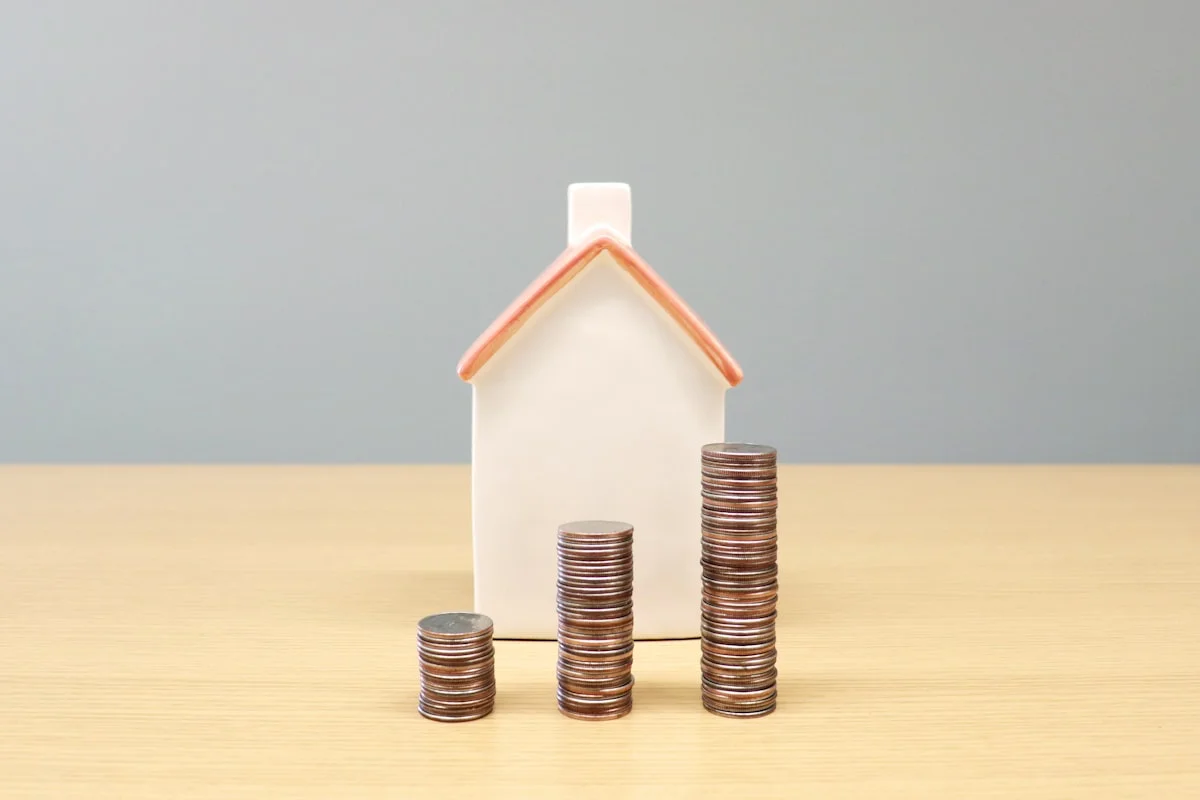
Understanding the Cash Offer: What's the Real Number
When a cash buyer makes an offer, they're factoring in three core things: the after-repair value (ARV), the cost to fix the home, and their margin. It sounds straightforward, but each piece matters.
The After-Repair Value (ARV)
The ARV is what the home would sell for if it were in perfect condition. A cash buyer will research comparable homes in your neighborhood: similar size, age, condition, and location. This isn't a guess; it's based on actual market data. In Florida, ARVs can vary dramatically by neighborhood. A house in Tampa's Carrollwood district will appraise very differently from one in rural North Florida.
Repairs and Holding Costs
Here's where people often think they're being shortchanged. If your home needs a new roof, HVAC, foundation work, or has water damage, the buyer has to account for those costs. They're not trying to squeeze you. They're accounting for real money they'll spend. A new roof in Florida can run $8,000–$15,000. Foundation work? That can easily exceed $10,000 to $20,000.
In addition, cash buyers factor in holding costs: property taxes, insurance, utilities while the property sits during repairs, and eventual resale costs.
The Buyer's Margin
The final piece is the buyer's profit margin, typically 15–25% of the ARV, sometimes more for problem properties. This isn't just profit; it's business overhead, risk, and capital that's tied up for months.
The Formula, Simplified
Cash Offer = ARV − (Repair Costs + Holding Costs + Buyer's Margin)
Let's say your Florida home has an ARV of $250,000. Repairs needed are $30,000. Holding costs are $5,000. The buyer wants a 20% margin, which is $50,000. Your offer would be approximately:
$250,000 − ($30,000 + $5,000 + $50,000) = $165,000
That might sound low. But let's compare it to a traditional sale.
The Real Comparison: Cash vs. Agent Commission
Here's what most homeowners overlook: realtor commissions and closing costs add up fast.
Traditional MLS Sale:
- Real estate agent commission: 5–6% of sale price
- Closing costs (seller's responsibility): 1–2% of sale price
- Time on market: 30–90 days (longer in a down market)
- Repairs expected before listing: 5–15% of sale price
- Holding costs during listing and negotiations: property taxes, insurance, utilities
Cash Sale:
- Agent commission: 0%
- Seller closing costs: 0% (buyer covers their own)
- Repairs: You sell as-is; we handle everything
- Time to close: about 2–3 weeks after a roughly 10-business-day inspection
Let's revisit your $250,000 home. If you listed it traditionally:
- Sale price (after repairs and prep): $250,000
- Realtor commission (6%): −$15,000
- Closing costs (2%): −$5,000
- Repairs before listing (let's say 10%): −$25,000
- Your net: $205,000 (and it took 60+ days)
Compare that to the cash offer of $165,000 that closes in a week. On the surface, the cash number is lower. But if you factor in the time saved, the certainty of closing, and the elimination of repair hassles and risk, the actual net difference shrinks, and sometimes the cash offer wins outright.
What Factors Affect How Much You'll Get?
Not all cash offers are created equal. Several factors move the needle on what a buyer will offer.
Property Condition
A home that's move-in ready will command a higher offer than one needing major work. If your home only needs cosmetic updates (paint, landscaping, flooring) the repairs estimate is lower, and your offer rises. A home with structural damage, foundation issues, or severe water damage will see a higher deduction.
Location
Prime Florida locations (near downtown Tampa, coastal areas, established neighborhoods in Orlando) command higher ARVs. Your address significantly impacts the offer.
Market Conditions
When the Florida housing market is strong, ARVs rise, and so do offers. When it softens, buyers become more conservative.
How Quickly You Need to Sell
If you're in a time crunch, you may need to accept a lower offer for the guarantee of a fast close. If you have flexibility, negotiating for a higher price is an option.
Frequently Asked Questions
Q: Is the offer negotiable?
Yes, to a degree. If you've received an offer that doesn't feel right, you can counter. Keep in mind that most cash buyers have done their homework and are working with fair margins. But there's usually room for conversation, especially if the property condition is better than initially assessed.
Q: Why do some cash buyers offer more than others?
Different buyers have different risk tolerances, capital availability, and strategies. Some focus on quick rehabs and resale; others hold properties long-term. It's worth getting multiple offers and comparing.
Q: Will I owe capital gains tax on the sale?
That depends on your specific situation: how long you've owned the home, whether it's your primary residence, and your income. This is a question for your tax professional, not your cash buyer.
Q: What if I think the offer is too low?
Ask the buyer to break down their calculation. A reputable cash buyer should be transparent about their ARV estimate, repair costs, and margins. If something doesn't add up, that's a red flag, or an opportunity to ask for a revised offer.
The Bottom Line: Get Multiple Offers
The best way to know if a cash offer is fair is to get offers from at least two or three buyers. Compare them, ask questions, and make an informed decision based on the total value, not just the headline number.
Remember, a cash sale isn't always about getting the highest price. It's about getting certainty, speed, and peace of mind. That matters most when you're in a difficult situation: facing foreclosure, going through a divorce, inheriting a property you don't want, or dealing with a damaged home.
Ready to Sell Your Florida Home Fast?
If you're ready to sell your Florida home fast for cash, Pallas Growth is here to help. Get your free, no-obligation cash offer at pallasgrowth.com. We'll be in touch as soon as possible. Get My Cash Offer →