Disclosure: Pallas Growth is a cash home buyer. The information in this article is intended to be educational and objective. We also provide the cash purchase services described here.
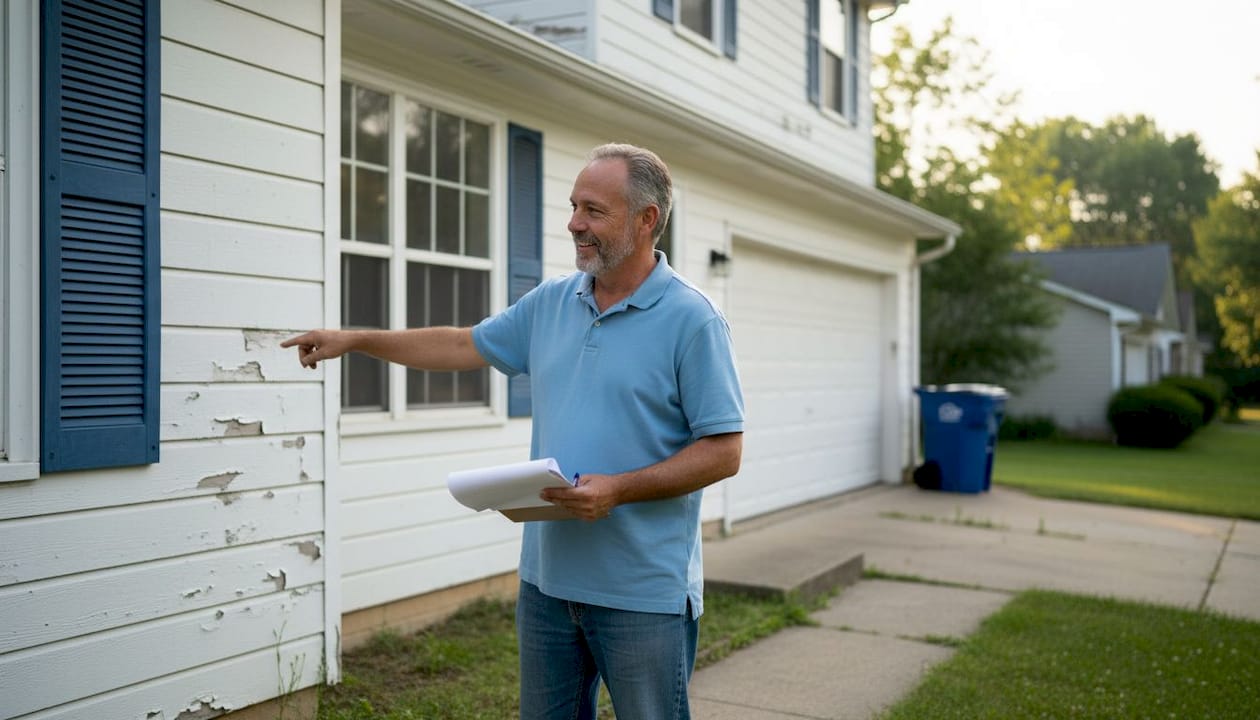
Most homeowners assume their property needs to be in perfect shape before anyone will make a serious offer. That belief stops a lot of people from even exploring their options, especially when they’re already dealing with foreclosure, an inherited home, or serious damage. The truth is, property condition affects sale price and the buyer pool, but it doesn’t have to stop a fast sale. This article walks you through how condition shapes your options in Florida and New Jersey, what you must disclose by law, and how to close quickly no matter what shape your home is in.
Table of Contents
- Why property condition matters in quick home sales
- Disclosure laws and seller responsibilities: Florida vs. New Jersey
- How property condition impacts home value and offers
- Selling as-is: Pathways, pros, and potential pitfalls
- What most sellers overlook about property condition
- Sell your home fast regardless of condition
- Frequently asked questions
Key Takeaways
| Point | Details |
|---|---|
| Disclosure is essential | You must be honest about property defects, no matter the type of sale or state. |
| Condition affects value | Structural and cosmetic issues determine offers, speed, and buyer type. |
| As-is isn’t a legal loophole | In New Jersey and Florida, selling as-is means ‘no repairs required’ but not ‘no disclosure’. |
| Cash buyers offer speed | Homes in any condition can sell fast to cash buyers, but expect a different negotiation. |
| Prepare for success | Documenting property condition and understanding laws helps avoid costly mistakes. |
Why property condition matters in quick home sales
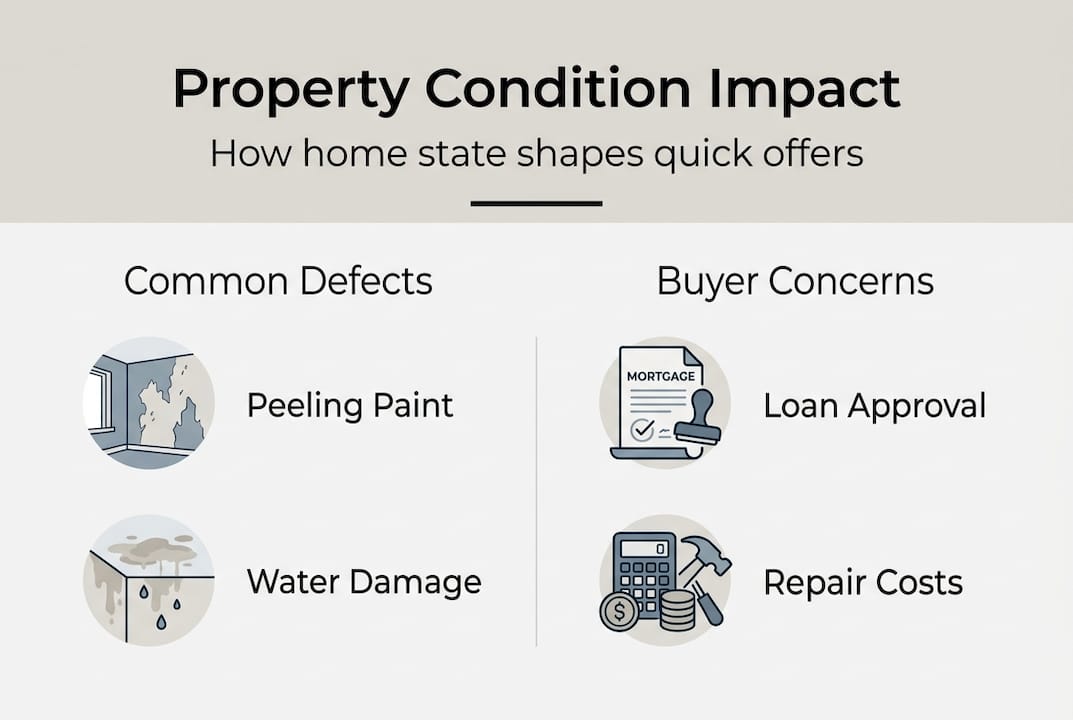
Property condition covers a wide range of issues. On one end, you have cosmetic problems like peeling paint, worn carpet, or outdated fixtures. On the other end, you have structural issues like foundation cracks, roof failure, or major water damage. In between, you’ll find code violations, broken HVAC systems, mold, fire damage, and unfinished renovations. Each of these affects who will buy your home and how fast.
The buyer pool shifts dramatically based on condition. A retail buyer using a mortgage loan needs the home to pass an appraisal and inspection. That means lenders often won’t approve financing for homes with major defects. Cash investors and real estate investment companies, by contrast, buy homes in any condition. They’re not waiting on bank approvals. They evaluate the property, calculate repair costs, and make an offer based on the home’s after-repair value.
Here’s a quick comparison of how each buyer type approaches condition:
| Factor | Retail buyer | Cash investor |
|---|---|---|
| Condition requirement | Move-in ready or minor repairs | Any condition accepted |
| Financing | Mortgage required | No lender involved |
| Inspection | Usually required | Often waived |
| Closing timeline | 30-60 days | 6-30 days |
| Negotiation on defects | Common and often costly | Priced into offer upfront |
Common property conditions that come up in distressed sales include:
- Fire or smoke damage affecting walls, ceilings, or electrical systems
- Mold or water intrusion from roof leaks or plumbing failures
- Unfinished renovations left by a previous owner or during an estate
- Code violations from unpermitted additions or outdated systems
- Structural issues like foundation settling or roof deterioration
If you’re dealing with selling a damaged house in Florida, knowing that a different buyer pool exists is the first step toward a real solution.
Pro Tip: Even a home with severe fire or mold damage will attract buyers. Cash investors expect these situations and price their offers accordingly. Don’t assume your home is unsellable before you get an offer.
Disclosure laws and seller responsibilities: Florida vs. New Jersey
Understanding how condition affects your sale is important. But knowing what you’re legally required to tell buyers is critical. Both states have specific rules, and getting this wrong can cost you the deal or expose you to legal liability.
New Jersey mandates a Seller’s Property Condition Disclosure Statement, updated in 2024, which applies to virtually all residential sales, including as-is transactions. The form covers structural components, water damage, environmental hazards, and more. Importantly, if you genuinely don’t know the answer to a question, you can mark “unknown.” That’s not a loophole; it’s a legal protection when used honestly.
Florida takes a slightly different approach. Sellers must disclose all known material facts that could affect the property’s value or desirability, but the state does not require a standardized form. Florida’s as-is contracts offer some additional flexibility, but they don’t eliminate your duty to reveal what you know.
| Requirement | New Jersey | Florida |
|---|---|---|
| Mandatory disclosure form | Yes (SDS, updated 2024) | No standard form required |
| As-is sales exempt from disclosure | No | No |
| “Unknown” option on form | Yes | Not applicable |
| Material defects must be disclosed | Yes | Yes |
| Penalties for non-disclosure | Contract cancellation, damages | Contract cancellation, damages |
Here’s how to complete disclosures accurately, step by step:
- Gather your records. Pull permits, inspection reports, repair invoices, and any prior disclosures from when you purchased the home.
- Answer every question honestly. If you know about a defect, disclose it. If you’re unsure, mark it as unknown.
- Don’t assume as-is means no disclosure. For as-is sales in New Jersey and as-is sales in Florida, disclosure is still required.
- Have an attorney review the form if the property has complex issues like environmental contamination or structural damage.
- Provide the completed form before signing the purchase agreement, not after.
Failing to disclose a known defect can void the contract and expose you to a lawsuit for damages. Transparency protects you legally and keeps the deal on track.
How property condition impacts home value and offers
Once you’ve met your disclosure obligations, the next question is practical: how much will your home’s condition actually affect what you receive and how fast you receive it?
Cosmetic issues, things like dated kitchens, stained carpets, or faded paint, typically have a smaller impact. Many buyers, especially investors, look past these entirely. Structural or system-level problems are a different story. Major defects can lower sale price significantly and affect whether a buyer can even get financing.
Here’s how different condition levels play out in practice:
- Cosmetic issues only: Minimal price impact, wide buyer pool, faster sale possible
- Outdated systems (HVAC, plumbing, electrical): Moderate price reduction, some buyers will negotiate credits
- Roof damage or water intrusion: Significant price reduction, lenders may refuse to finance, cash buyers preferred
- Structural problems or foundation issues: Major price reduction, retail buyers nearly impossible, investor market is primary option
- Fire, mold, or hazardous materials: Steep discount required, but cash buyers and investors actively seek these properties
When a buyer uses financing, their lender sends an appraiser. If the appraiser flags major issues, the loan can fall through entirely. Cash buyers sidestep this entirely. They don’t need an appraisal to close.

The tradeoff is real. Cash buyers may offer below market value. But when you factor in repair costs, carrying costs during a long listing period, agent commissions, and closing costs, the net proceeds from a cash sale are often closer to a traditional sale than most sellers expect. Reviewing cash buyer vs. realtor options can help you run those numbers for your specific situation.
For inherited or damaged properties, investors evaluate based on the after-repair value of the home, minus estimated renovation costs and their required profit margin. It’s a formula, not a personal judgment about your home.
Selling as-is: Pathways, pros, and potential pitfalls
Selling as-is can feel like a relief when you’re dealing with a property you can’t or don’t want to repair. But it comes with its own process, and skipping steps can create problems.
Here’s how to move through an as-is sale correctly in New Jersey or Florida:
- Order a pre-listing inspection (optional but smart). Knowing what’s wrong before buyers do gives you control of the narrative and helps you price accurately.
- Complete your state’s required disclosure form. Remember, sellers in New Jersey cannot avoid disclosure even in as-is sales. Florida sellers must disclose known material facts regardless of contract type.
- Price the home to reflect its condition. Overpricing an as-is home leads to long days on market and lowball offers later.
- Target the right buyers. List on the MLS with an “as-is” designation, or contact cash buyers and investors directly.
- Review offers carefully. Look at net proceeds, not just the offer price. A cash offer with no contingencies and a quick close may beat a higher financed offer that falls through.
- Close on your timeline. Cash buyers can often accommodate your preferred closing date, which matters when you’re navigating foreclosure, divorce, or an estate.
Pro Tip: Document everything before listing. Take photos, keep repair estimates, and save any contractor bids. This protects you legally and speeds up the buyer’s due diligence process.
Common pitfalls to avoid:
- Overpromising condition in your listing description or verbal conversations with buyers
- Hiding defects you know about, even minor ones. It rarely works and often backfires at closing or in court
- Misunderstanding cash offer timelines. A fast close is possible, but you still need to sign documents and clear title
For situations involving selling as-is during divorce, the as-is process in New Jersey or selling as-is in Florida each have nuances worth understanding before you sign anything.
What most sellers overlook about property condition
Here’s what we’ve seen repeatedly: sellers spend so much energy worrying about condition that they miss the bigger risks, which are legal and negotiation mistakes, not the damage itself.
Many sellers believe that hiding a minor defect will protect their sale. It won’t. Buyers conduct inspections, and when something surfaces after closing, the paper trail leads back to you. Transparency isn’t just ethical; it’s the smartest legal move you can make.
Another overlooked reality: sellers often overestimate how much they lose in an as-is sale. When you subtract repair costs, agent fees, and months of carrying costs from a traditional sale, the gap between a cash offer and a retail sale narrows considerably. Sometimes the as-is route actually puts more money in your pocket.
Cash buyers and investors aren’t looking for perfection. They’re looking for honesty. When you’re upfront about what’s wrong, the process moves faster and deals are less likely to fall apart. Selling to cash buyers works best when both sides have the full picture from the start.
Sell your home fast regardless of condition
Armed with the facts, here’s how you can take control of your situation today.

At Pallas Growth, we purchase homes in any condition across Florida and New Jersey. Whether your property has fire damage, unfinished repairs, code violations, or you’re simply facing foreclosure and need to move fast, we make the process straightforward. There are no repairs required, no agent commissions, and no lengthy closing timelines. You can sell your home as-is and receive a no-obligation cash offer within days. If foreclosure is pressing, we can help you stop foreclosure quickly before the process goes further. Ready to see what your home is worth? Get a cash offer now and find out your options with no pressure.
Frequently asked questions
Do I have to disclose all property defects if I’m selling as-is?
Yes, both New Jersey and Florida require sellers to disclose known material defects, even in as-is sales. Selling as-is means the buyer accepts the condition, not that you’re off the hook for disclosure.
Can I sell a house with fire or water damage without making repairs?
Absolutely. Homes with significant damage sell regularly, often to cash buyers or investors who specialize in these properties. You must honestly disclose all issues you’re aware of, but repairs are not required to close the deal.
What happens if I fail to disclose a problem in my home during the sale?
If you don’t disclose a known issue, the buyer can cancel the contract and pursue damages against you. Failure to disclose creates serious legal and financial exposure that far outweighs any short-term benefit.
Is selling to a cash buyer faster than listing with a realtor for homes in poor condition?
Yes, in most cases. Cash buyers close faster and don’t require appraisals or lender approval, though their offers may be below retail. For distressed properties, the speed and certainty often outweigh the price difference.
Recommended
- Sell Damaged House Florida | Mold, Fire, Foundation
- Cash Home Buyer vs. Realtor in Florida
- Vacant Inherited Property Florida | Sell Fast
- Sell House As Is Florida | No Repairs Needed
Article generated by BabyLoveGrowth
Ready to Sell Your Home Fast for Cash?
Pallas Growth buys houses in Florida and New Jersey: any condition, any situation. Get your free, no-obligation cash offer today. Get My Cash Offer →