Disclosure: Pallas Growth is a cash home buyer. The information in this article is intended to be educational and objective. We also provide the cash purchase services described here.
Florida's residential foreclosure process is governed by Chapter 702 of the Florida Statutes. For official court resources on Florida foreclosure procedures, see the Florida Courts website. For free housing counseling and mortgage assistance options, visit HUD's housing counselor locator.
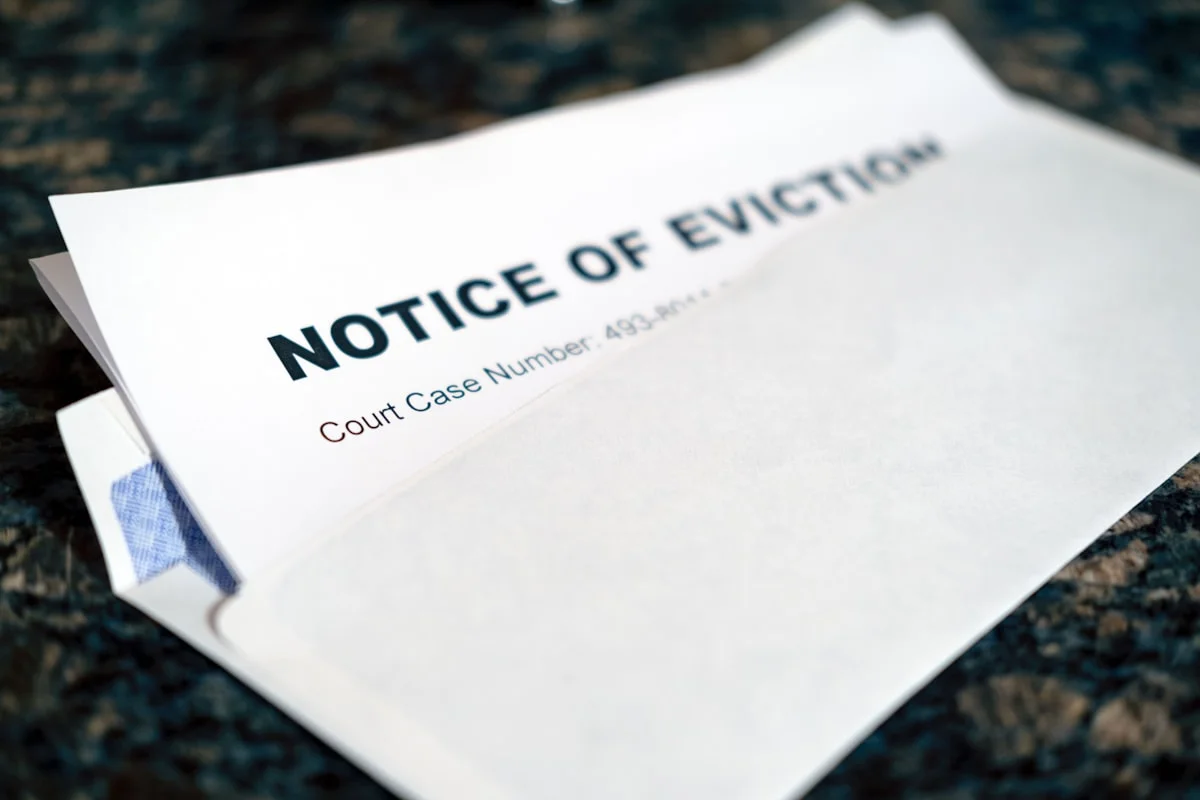
Stop Foreclosure Before It's Too Late: Your Action Plan
Foreclosure is terrifying. The letters pile up, the phone rings constantly, and it feels like the walls are closing in. But you have options, and more control than you might think. One of the fastest ways to stop foreclosure in Florida is to sell your home for cash before the bank takes it. This isn't just possible; it's happening every day for homeowners like you.
In this guide, we'll walk you through how Florida's foreclosure timeline works, show you exactly how a cash sale can stop the process, and give you a step-by-step action plan to move forward.
Understanding Florida's Foreclosure Timeline
Before you can fight foreclosure, you need to understand how it works. The good news: Florida gives homeowners time to act. Under federal RESPA rules, lenders are prohibited from initiating formal foreclosure until a borrower is more than 120 days delinquent. After that window, lenders file under Florida Statute §702, the state's judicial foreclosure law, which kicks off a court-supervised process that moves faster than most homeowners expect.
Here's how the full timeline typically unfolds from first missed payment to auction:
| Stage | Timeframe | What Happens |
|---|---|---|
| Missed Payment | Day 0–30 | Lender records a late payment. Late fees apply. Credit score drops. |
| Breach Letter / Pre-Foreclosure | Day 30–120 | Lender sends demand letter. You can still cure the default by catching up on payments. Federal RESPA rules bar the lender from filing suit during this window. |
| Lis Pendens Filed | Day 120+ | Lender files suit under Fla. Stat. §702. A lis pendens is recorded with the county clerk. This becomes a public record tied to your title. |
| Court Summons Served | 3–6 months | You are formally served and have 20 days to respond. Missing this deadline can result in a default judgment against you. |
| Summary Judgment Hearing | 6–18 months | If the lender proves the debt, the judge enters a final judgment of foreclosure and sets an auction date. |
| Foreclosure Auction | Auction date | Property sold to highest bidder at the county courthouse (or online). You lose ownership. Any remaining equity is distributed after costs. |
The timeline above shows why speed matters so much. You have the most leverage in the early stages: before the lis pendens is filed, or shortly after. Every month you wait, your options narrow and the legal machinery moves forward with or without you.
Phase 1: Notice of Default (30–120 Days)
When you miss a mortgage payment, your lender typically waits 120 days before filing a formal notice of default. This is your first grace period. You can still catch up on missed payments and stop the process entirely, but only if you act fast.
What happens: Your lender sends warning letters. Late fees and interest pile up. Your credit score takes a hit.
Your window: You have roughly 30–120 days from first missed payment to resolve this.
Phase 2: Lis Pendens Filed (0–180 Days to Redemption)
A lis pendens is a formal notice that foreclosure proceedings have begun. It's a public record showing the property is in legal dispute. In Florida, once a lis pendens is filed, the formal foreclosure lawsuit has officially started.
What happens: Your property is flagged in public records. Lenders can't extend credit. Selling becomes harder, but not impossible.
Your window: You have up to 180 days after the lis pendens is filed to stop the sale or cure the default (catch up on payments).
Why Florida Courts Move Fast Once Lis Pendens Is Filed
Florida is a judicial foreclosure state: meaning lenders must go through the courts, not just send notices and sell the property. That sounds like it would protect you. And in some ways it does. But don't mistake "judicial" for "slow."
Florida courts have streamlined the foreclosure process significantly since the 2008 housing crisis backlog. Once a lis pendens is recorded with the county clerk, two things happen simultaneously: the lawsuit is officially on the docket, and a public record now follows the property title. Any title search (by a buyer, a lender, or a real estate attorney) will immediately surface that your home is in active foreclosure litigation.
That public record makes it harder (though not impossible) to sell through traditional channels. Cash buyers, however, deal with lis pendens properties all the time. They can close before the court reaches a summary judgment, pay off the lender, and get the foreclosure case dismissed. But time is the enemy: once a summary judgment is entered and an auction date is set, you're operating in days, not weeks.
Phase 3: Foreclosure Sale (90+ Days After Lis Pendens)
If you don't act during phases 1 or 2, the bank schedules a foreclosure sale. In Florida, the property is auctioned on the courthouse steps. After this point, you lose ownership entirely.
What happens: The property is sold to the highest bidder. You receive any remaining equity (minus costs). Your home is gone.
Your window: Once the sale is scheduled, your time is measured in weeks, not months.
How a Cash Sale Stops Foreclosure (Before It's Final)?
Here's the critical part: you can stop foreclosure by selling the home before the foreclosure sale is finalized.
Why Cash Sales Work Faster
A traditional home sale takes 30–45 days. A cash sale can close about 2–3 weeks after a roughly 10-business-day inspection. When you're running out of time, speed is everything.
Cash buyers:
- Skip the appraisal process
- Don't require a mortgage inspection
- Close with minimal paperwork
- Don't back out over financing
- Can work within your timeline, not their own
In a typical foreclosure scenario, a homeowner might sell for cash in about 4–5 weeks. The proceeds go to pay off the mortgage. The foreclosure is stopped because the debt is paid. The lender has no reason to proceed.
The Real-World Scenario: Jennifer's Story
Jennifer is a Tampa homeowner who fell behind on payments after her hours were cut during the pandemic. By the time she realized how serious things were, a lis pendens had been filed. She had maybe 90 days before foreclosure sale.
She contacted a cash buyer. They made an offer within 2 days. She accepted. Closing happened in 9 days. The cash proceeds paid off her mortgage in full, plus gave her about $35,000 in remaining equity. The foreclosure lawsuit was dismissed because the debt was settled.
Jennifer walked away with money in her pocket and no foreclosure on her record. A traditional sale would have taken months she didn't have.
Step-by-Step Action Plan to Stop Foreclosure
If you're facing foreclosure in Florida, here's what to do right now:
Step 1: Gather Your Mortgage Documents
Find your loan documents, payment history, and any correspondence from your lender. You'll need to know exactly how much you owe and when payments are due.
Step 2: Understand Your Equity
If your home is worth more than you owe, you have equity. That equity is yours, and a cash sale lets you keep it. Even if you owe more than the home is worth (underwater), a cash sale can still stop foreclosure and save your credit.
Step 3: Contact a Cash Buyer Immediately
Don't wait. Call a cash home buyer in Florida today. The sooner you start the process, the more negotiating power you have. Cash buyers often expedite deals when foreclosure is imminent.
Step 4: Get a No-Obligation Offer
A reputable cash buyer will offer a quick, honest assessment of your home's value. This isn't the highest price you'll ever see, but it's a real number you can depend on. Ask what timeline they can close in, most say 7–30 days.
Step 5: Review Your Offer and Timeline
Before accepting, confirm:
- The offer price and what it covers
- The exact closing date
- What fees (if any) are deducted from proceeds
- How proceeds will be distributed (to your lender, then to you)
Step 6: Close and Stop the Foreclosure
Once you close, the cash proceeds immediately pay your lender. The foreclosure process stops because the debt is satisfied. You may receive a check for remaining equity within days.
Alternatives to Selling for Cash (And Why Cash is Fastest)
You have options when facing foreclosure. Here's how they compare at a glance, then we'll dig into what each one actually requires:
| Option | Time Required | Credit Impact | Requires Lender Approval | You Keep Equity |
|---|---|---|---|---|
| Cash Sale | About 4–5 weeks | Minimal (late payments only) | No | Yes: remaining equity is yours |
| Loan Modification | 60–120 days | Minor | Yes: lender must approve | Yes: you keep the home |
| Short Sale | 90–180 days | Significant | Yes: lender negotiates price | No: sale price covers debt only |
| Deed in Lieu | 30–60 days | Significant | Yes: lender must accept | No: you surrender the property |
The comparison above makes the tradeoffs clear. A cash sale is the only option that doesn't require your lender's cooperation, closes in weeks instead of months, and still lets you walk away with money. Loan modifications keep you in the home but take months and require your lender to say yes, which they often don't. Short sales and deeds in lieu both involve surrendering control and waiting on lender approval you may never get in time.
| Option | Timeline | Credit Impact | Equity | Complexity |
|---|---|---|---|---|
| Loan Modification | 60–120 days | Minor | Keep home | High: lender approval required |
| Short Sale | 90–180 days | Significant | Limited | Very high: lender negotiates |
| Deed in Lieu | 30–60 days | Significant | Minimal | Moderate: lender approval required |
| Cash Sale | About 4–5 weeks | Minimal | Preserve equity | Low: straightforward process |
| Declare Bankruptcy | 180+ days | Severe | Variable | Extremely high: court involved |
A cash sale wins on speed and simplicity. Your equity is protected. And while your credit will be affected by the late payments leading up to the sale, an actual foreclosure is far more damaging.
Common Questions We Hear from Florida Homeowners
When homeowners reach out to us in the middle of a foreclosure, certain questions come up again and again. Here are honest answers to the ones we hear most.
What if my auction date is in 30 days?
Thirty days is tight but not impossible. The first thing you need to do is call a cash buyer today, not next week. Within 24 hours, a serious buyer can make an offer. Within 48–72 hours, you can have a signed contract. From there, a title company experienced in foreclosure sales can expedite the closing.
You'll also want an attorney to contact the lender and request a short postponement of the sale date. This is a standard ask that lenders sometimes grant if a legitimate sale is in progress. It's not guaranteed, but it buys you breathing room. Don't wait to make this call.
What if I owe more than the house is worth?
Being underwater on your mortgage doesn't mean you're out of options. A cash sale can still stop the foreclosure. It just changes the math. If the sale proceeds don't fully cover the debt, you have two paths: negotiate a payoff acceptance from the lender (essentially a short payoff, similar to a short sale but faster), or work with a real estate attorney to understand your deficiency exposure under Florida Statute §702.06.
The key point: a foreclosure judgment on your record is worse for your finances than a negotiated short payoff. Lenders know this too, which is why many are willing to accept less than the full balance rather than spend months in court. An underwater home is not a dead end. It's a negotiation.
What if my spouse won't agree to sell?
In Florida, both spouses typically must sign for a property sale if the home is jointly titled or is a homestead. If your spouse is unwilling, you cannot sell without their signature, period. This is a legal reality, not a technicality.
That said, a few things are worth knowing. First, the foreclosure will affect both of your credit regardless of who is on the mortgage. If both spouses are on the loan, both bear the consequences. That shared downside is often enough to bring a reluctant spouse to the table. Second, if you're going through a divorce, a family law attorney can petition the court to force a sale of the marital home. Courts regularly grant these orders when one party is stalling and the property is at risk. Time is not your friend here, get legal help immediately.
Frequently Asked Questions
Q: Can I sell my house in Florida if a lis pendens has already been filed?
Yes. You can sell your home at any point before the foreclosure sale is finalized. Once sold, the proceeds pay off the debt and the foreclosure stops. However, speed is critical: the closer you are to the scheduled sale date, the fewer options you have.
Q: Will the foreclosure appear on my credit report if I sell for cash?
Late mortgage payments will appear on your credit report, but an actual foreclosure will not. This is a significant difference. A foreclosure stays on your credit for seven years and is one of the most damaging marks possible. A cash sale, while impacting your credit, allows you to avoid that worst-case scenario.
Q: How much equity will I get from a cash sale?
Your equity is the home's value minus what you owe. A cash buyer will pay slightly less than market value (typically 70–85%), but that price comes with speed and certainty. Any remaining equity after paying off your mortgage goes to you.
Q: What if I owe more than the house is worth?
Even if you're underwater, selling for cash can stop foreclosure and prevent a deficiency judgment (in states where that applies). In Florida, some deficiency judgments are possible, so discuss this with a real estate attorney. But avoiding foreclosure is still a win.
Q: Does selling during foreclosure affect my deficiency liability?
It can help significantly. Under Florida Statute §702.06, lenders can pursue a deficiency judgment after a foreclosure sale if the sale price doesn't cover the full debt. But when you sell for cash before the foreclosure is finalized, your attorney can often negotiate a full payoff or waiver of deficiency as part of the settlement. This is one more reason to sell before the auction, not after.
Q: Can I sell my Florida home if there's a second mortgage?
Yes, but it requires coordination. Both liens must be satisfied at closing: the first mortgage gets paid first, then the second. If the sale proceeds don't fully cover both, you'll need to negotiate a payoff with the second lienholder. Cash buyers experienced in foreclosure sales deal with this regularly and can help navigate it. Don't let a second mortgage stop you from exploring a sale.
The Bottom Line: Act Now
Foreclosure moves fast, but so does a cash sale. You have a window, sometimes just weeks, to take control of the situation. The longer you wait, the smaller your window becomes.
If you're facing foreclosure in Florida, the best time to act was yesterday. The second best time is today.
Ready to Sell Your Florida Home Fast?
If you're ready to sell your Florida home fast for cash, Pallas Growth is here to help. Get your free, no-obligation cash offer at pallasgrowth.com. We'll be in touch as soon as possible. Get My Cash Offer →