Disclosure: Pallas Growth is a cash home buyer. The information in this article is intended to be educational and objective. We also provide the cash purchase services described here.
Whether your New Jersey home suffered fire damage, flood damage from a nor'easter, structural failure, oil tank contamination, or any other serious damage, you have options beyond fighting with insurance companies and spending months on contractor quotes. A cash buyer purchases damaged homes as-is. The NJDEP provides resources on environmental contamination at njdep.gov, and FEMA's Sandy disaster resources remain available at FEMA Disaster #4086.
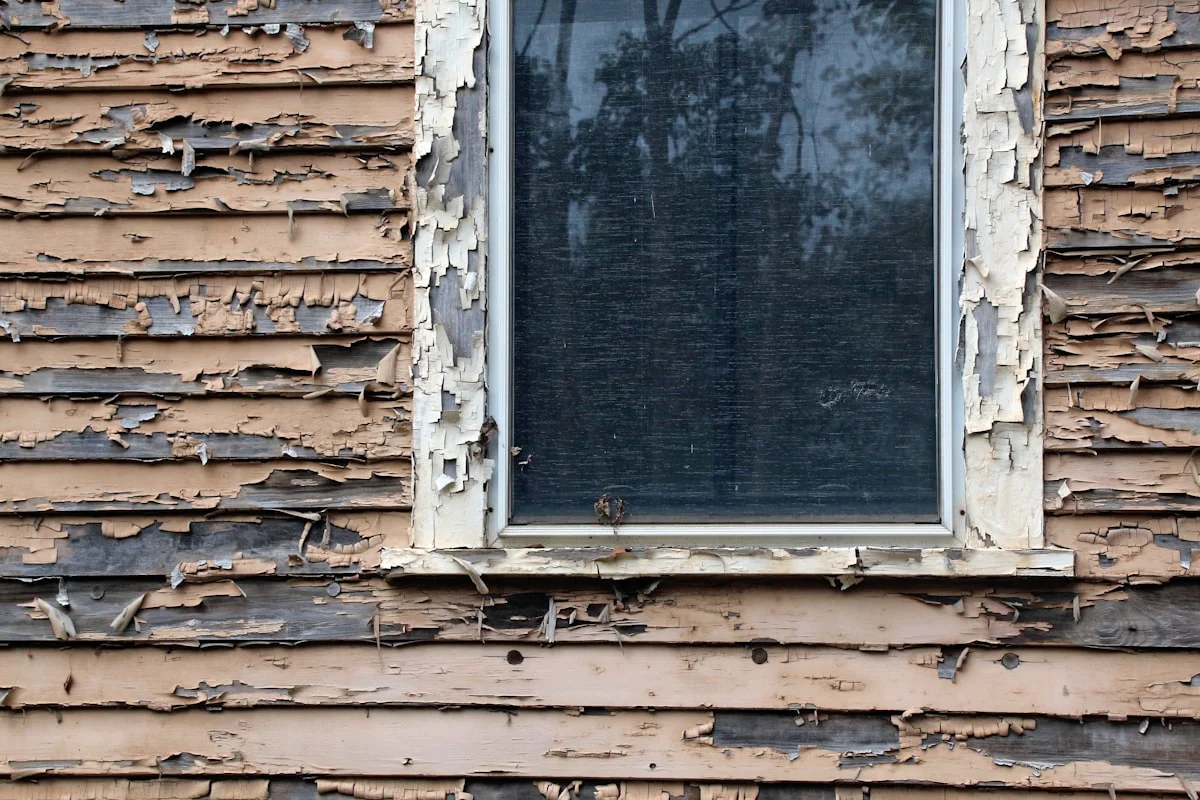
Types of Damage We Buy in NJ
- Fire and smoke damage: including partial losses and total structural losses
- Water and flood damage: from nor'easters, pipe bursts, foundation seepage, or sewage backup
- Storm damage: Hurricane Sandy aftermath, nor'easter roof and structural damage
- Foundation issues: settlement, cracking, bowing walls, hydrostatic pressure failures
- Roof damage: missing shingles, structural failure, chronic leaks causing interior damage
- Mold and moisture damage: widespread or structural mold, common in NJ basements due to the water table
- Oil tank contamination: soil remediation needed around USTs; NJDEP remediation sites
- Asbestos: in pipe insulation, floor tiles, and other materials in pre-1980 NJ homes
What Are the NJ-Specific Damage Issues: Oil Tanks and Contamination?
Underground oil tanks (USTs) are more common in New Jersey than in most other states, particularly in homes built before 1970 that originally used oil heat. Many of these tanks were abandoned in place when homes converted to natural gas. When soil contamination is found during a tank removal or inspection, the New Jersey Department of Environmental Protection (NJDEP) requires formal site remediation, which can involve:
- Licensed Site Remediation Professional (LSRP) involvement: required under NJDEP rules
- Soil sampling and groundwater testing
- Remedial Action Workplan submission to NJDEP
- Physical cleanup costs: $10,000–$50,000+ depending on contamination extent
- Remediation can take 6 months to several years
Pallas Growth buys oil tank contamination properties as-is. We take on the LSRP/NJDEP process after closing. You do not need to remediate before selling to us.
Why NJ Damaged Home Sales Are Complicated Traditionally?
Traditional buyers can't get mortgages on severely damaged properties: conventional lenders (Fannie Mae/Freddie Mac) and government loan programs (FHA, VA) require the home to be habitable and meet minimum property standards. This means damaged NJ homes can only be sold to cash buyers, investors, or buyers willing to take out renovation loans (which have strict draw requirements and add significant complexity). As-is cash buyers like Pallas Growth are the most practical path.
Damage Type: Estimated Cost Range in NJ
| Damage Type | NJ Repair Cost (est.) | Lender Impact |
|---|---|---|
| Oil tank removal + minor contamination | $4,000–$15,000 | Will not fund until remediated |
| Oil tank with major contamination | $20,000–$100,000+ | Will not fund |
| Fire damage (partial) | $25,000–$80,000+ | Will not fund uninhabitable structure |
| Mold remediation (extensive) | $10,000–$40,000+ | May require clearance test |
| Foundation repair | $10,000–$50,000+ | Appraisal conditions, may deny |
Hurricane Sandy Properties Still Available
Years after Hurricane Sandy (October 2012), some New Jersey properties still have unresolved storm damage: partial repairs, disputed insurance payouts, or properties that simply never got fully rebuilt. Sandy caused an estimated $29.4 billion in damage in NJ alone. Some homeowners participated in the NJ Blue Acres buyout program; others declined and still own damaged properties today. We buy Sandy-damaged properties as-is, in whatever current condition they're in. No completion of prior repairs, no RREM program compliance, and no insurance settlement required before closing with us.
Case Study: Monmouth County Fire-Damaged Home
Case Study
A Monmouth County homeowner experienced a kitchen fire that caused partial structural damage to the second floor and extensive smoke damage throughout the home. The insurance company paid a partial claim of $65,000: significantly less than the $110,000 estimate from a licensed NJ contractor. The homeowner didn't want to manage a major construction project and contested the insurance valuation for 8 months without resolution.
Pallas Growth assessed the damage in person. We offered $210,000 as-is on a home with an estimated post-repair ARV of $390,000: accounting for the fire damage, smoke remediation, structural repair, and full renovation required. The homeowner had the $65,000 insurance proceeds plus our $210,000, a total of $275,000. They closed about 2–3 weeks after a roughly 10-business-day inspection without managing a single contractor.
Frequently Asked Questions
Q: Can I sell a fire-damaged house in New Jersey as-is?
Yes. Cash buyers purchase fire-damaged NJ homes as-is, including partial and total structural losses. Mortgage lenders will not finance a fire-damaged, uninhabitable home. We assess the current condition, account for remediation and rebuild costs in our offer, and close about 2–3 weeks after a roughly 10-business-day inspection, no contractor quotes or insurance settlements required from you.
Q: Does NJ oil tank contamination prevent a sale?
It prevents a financed sale, but not a cash sale. Conventional lenders require NJDEP remediation before funding. We buy contamination properties as-is and take over the LSRP/NJDEP process after closing. You disclose the known condition; we price it into the offer.
Q: Do I need to disclose damage when selling a NJ home?
Yes. NJ sellers must disclose known material defects. The Seller's Property Condition Disclosure form includes questions about fire, water, structural damage, and environmental issues including oil tanks. Non-disclosure of known damage can create post-sale legal liability.
Q: Can I sell a house with mold in New Jersey?
Yes. Cash buyers purchase NJ homes with mold as-is. Mortgage lenders typically require mold remediation before funding, but cash buyers factor the cost into their offer and purchase without requiring remediation first. Mold is common in NJ basements and older homes due to the high water table.
Q: What are the NJDEP requirements for oil tank remediation?
NJ requires contamination sites to be cleaned up by a Licensed Site Remediation Professional (LSRP). The LSRP oversees soil sampling, determines cleanup goals, and issues a Response Action Outcome (RAO) when remediation is complete. This process can take months to years and cost $10,000–$100,000+. See NJDEP.gov for the full regulatory framework.
Sell Your Damaged NJ Home for Cash
Pallas Growth buys houses across New Jersey for cash: any condition, any situation. Get your free, no-obligation cash offer today. Get My Cash Offer →