Disclosure: Pallas Growth is a cash home buyer. The information in this article is intended to be educational and objective. We also provide the cash purchase services described here.
Florida foreclosure law is governed by Chapter 702 of the Florida Statutes. Foreclosure cases are filed in circuit courts; you can look up cases through the Florida Courts portal. Federal mortgage protections are administered by the Consumer Financial Protection Bureau (CFPB).
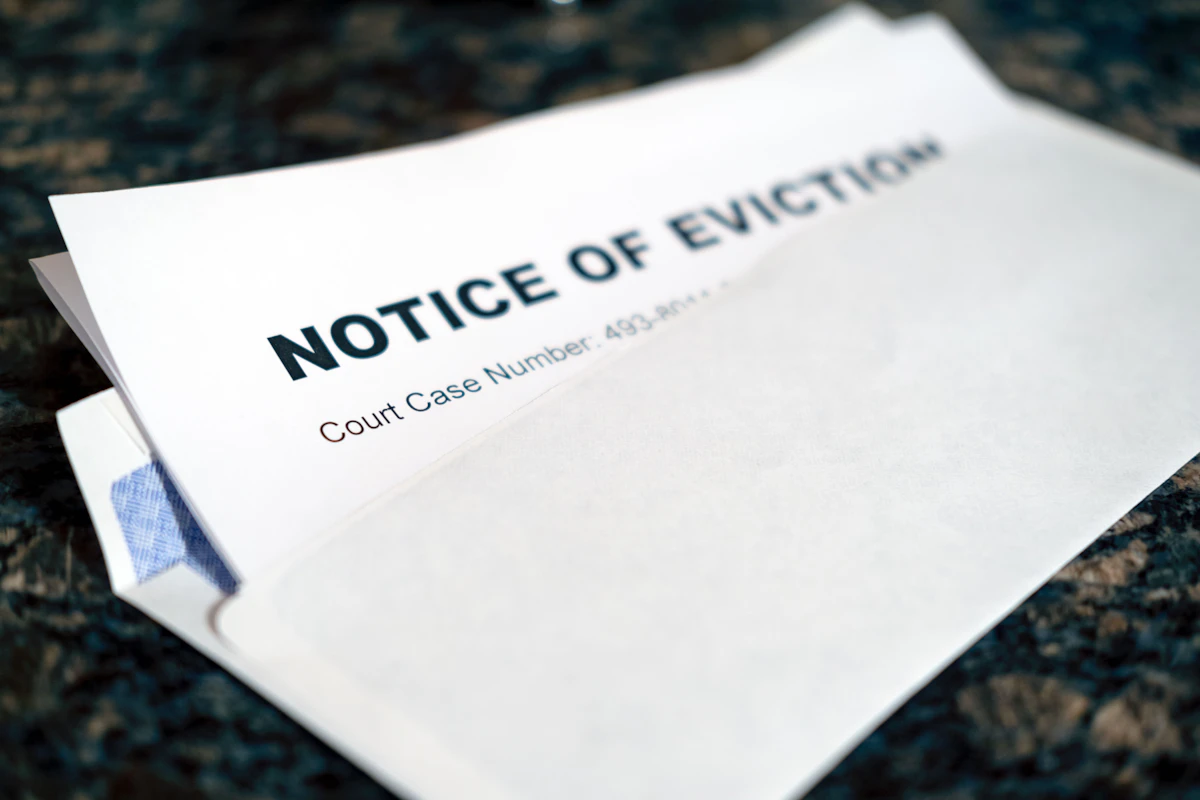
If you've just missed a mortgage payment, or received a letter from your lender warning of default, you're probably searching for answers. What actually happens next? How long do you have? Is there anything you can do to stop it?
This guide walks you through every phase of the Florida foreclosure process in plain language, from the day you first fall behind to the moment a property is auctioned. More importantly, it explains your rights and options at each stage so you can make informed decisions before it's too late.
Florida Is a Judicial Foreclosure State: What That Means for You
The first and most important thing to understand about Florida foreclosure: it is a judicial process. That means your lender cannot simply seize your home administratively. They must file a lawsuit in a Florida circuit court, and a judge must approve every major step, including the final foreclosure sale.
This stands in contrast to non-judicial (or "power of sale") foreclosure states, where lenders can foreclose through a trustee without court involvement. In those states, the process can take as little as 90 to 120 days and you have far fewer procedural protections.
In Florida, because a lawsuit is required, you receive due process. You must be properly served with legal papers. You have the right to respond, to raise defenses, to request a hearing, and to participate in mediation. The court oversees every step.
The practical implication: Florida foreclosures typically take 12 to 24 months from the first missed payment to the final sale. Some take longer. That timeline is both a challenge and an opportunity. It gives you significant runway to explore alternatives before losing your home.
Phase 1: Missed Payments and Pre-Foreclosure (Days 1–120)
Missing one mortgage payment does not start the foreclosure clock. In fact, federal law gives you a meaningful buffer period before any lawsuit can be filed.
The Federal 120-Day Rule
Under the Real Estate Settlement Procedures Act (RESPA) and implementing regulations from the CFPB, a mortgage servicer cannot begin foreclosure proceedings until you are more than 120 days delinquent. That means four full missed payments before any lawsuit can be filed. This rule applies to most owner-occupied residential mortgages.
During this 120-day window, your servicer is also required to make good-faith efforts to contact you, by phone and in writing, and to provide information about foreclosure avoidance options. They cannot simply accept your silence and rush to court.
The Breach Letter
Before filing suit, most lenders send a formal breach letter (sometimes called a demand letter or notice of default). This letter states that you are in breach of your mortgage contract, specifies how much you owe to bring the loan current, and gives you a deadline, typically 30 days, to cure the default before the lender proceeds with foreclosure.
Review this letter carefully. It will tell you the exact amount needed to reinstate the loan (arrears plus fees) and the date by which payment must be received. If you can pay that amount, the foreclosure process stops entirely.
Loss Mitigation Options Are Open Now
The pre-foreclosure period is the most important window for loss mitigation. Your servicer must review any complete loss mitigation application you submit before they can proceed with a foreclosure filing. Options to explore include loan modification (restructuring your payments), repayment plan (spreading your arrears over future months), forbearance (temporary payment pause), and a short sale or deed in lieu of foreclosure. For more on what you can do right now, see our guide on options when behind on mortgage payments.
Phase 2: The Lawsuit Begins: Lis Pendens Filed (Months 3–6)
Once the 120-day delinquency threshold is passed and the lender has completed the pre-foreclosure requirements, they can file a lawsuit. This is where Florida's judicial process formally begins.
Filing the Complaint
Your lender (or their attorney) files a Complaint for Foreclosure in the circuit court of the county where your property is located. The complaint names you as the defendant and alleges that you have defaulted on the mortgage. It asks the court to enter a final judgment of foreclosure and order the property sold at auction to satisfy the debt.
Lis Pendens Recorded
Simultaneously with the complaint, the lender records a lis pendens with the county clerk. This is a public notice, derived from the Latin for "suit pending", that announces a legal action affecting the property's title. Once recorded, it appears on any title search and effectively clouds the title, meaning you cannot refinance or sell through traditional channels without resolving it.
The lis pendens is significant beyond just the title. It signals to the world (other creditors, prospective buyers, title insurers) that this property is in foreclosure litigation. For many homeowners, receiving notice of the lis pendens is when the reality of the situation fully lands.
Service of Process: You Have 20 Days to Respond
A process server (or the sheriff's office) will serve you with a copy of the complaint and a summons. The summons specifies the deadline, typically 20 days, by which you must file a written response with the court. This response is called an "Answer" and it is your opportunity to raise any defenses you have against the foreclosure.
Do not ignore these papers. Failing to respond within 20 days allows the lender to immediately seek a default judgment against you, which dramatically accelerates the foreclosure timeline. Even if you ultimately cannot stop the foreclosure, filing a response buys you more time and preserves your rights.
Phase 3: Court Proceedings and Summary Judgment (Months 6–18)
After the initial pleadings are filed, the case enters the court proceedings phase. This is where most of the time in a Florida foreclosure is spent.
If You Don't Respond: Default Judgment
If you fail to answer the complaint within 20 days, the lender's attorney files a motion for default with the court clerk. Once the clerk enters default, the lender can schedule a hearing on a motion for default final judgment. At that hearing, which you may not even know about if you stopped opening mail, the judge can enter a Final Judgment of Foreclosure, setting the auction date. This can happen much faster than a contested case.
If You Do Respond: Discovery and Summary Judgment
If you file an answer, both sides engage in discovery: exchanging documents, answering interrogatories, potentially taking depositions. The lender's attorney is investigating whether the loan documents are in order; your attorney (if you have one) is looking for procedural errors, standing issues, or RESPA violations that might provide a defense or delay.
Most Florida foreclosure cases that are contested ultimately end at the summary judgment stage. The lender files a motion for summary judgment, arguing there are no genuine disputes of material fact. They have the note, you defaulted, the case is open and shut. In the majority of cases, the judge agrees. A hearing is held, and the judge enters the Final Judgment of Foreclosure.
Successfully raising defenses (loan modification fraud, improper service, standing issues) can delay the summary judgment for months, but rarely stops foreclosure permanently unless there were egregious procedural violations by the lender.
The Final Judgment of Foreclosure
The Final Judgment of Foreclosure is the court order that concludes the lawsuit phase. It specifies the total amount owed (principal, interest, attorney fees, costs), declares the lender's mortgage lien superior to all other claims, and schedules the property for public auction. The judgment also establishes the "right of redemption" deadline: in Florida, you can pay the full judgment amount at any point before the auction to stop the sale.
Phase 4: The Foreclosure Auction (After Final Judgment)
After the final judgment is entered, the court sets a sale date. Florida law requires the auction to be scheduled at least 20 days but no more than 35 days after the judgment is entered, though courts can extend this in some circumstances.
How the Auction Works
Florida foreclosure auctions are conducted by the county clerk's office or, in many counties, through a third-party online auction platform such as RealtyBid or Auction.com. The sale is advertised publicly for at least two consecutive weeks in a newspaper of general circulation in the county.
At the auction, bidding is open to the public. Bidders must typically register in advance and provide proof of funds or a deposit. The lender participates as a bidder and typically opens bidding at the judgment amount, the total they are owed. If no third party bids more, the lender takes the property back (known as REO, or real estate owned). If a third party bids higher, the lender is paid from the proceeds at closing.
The Winning Bidder and Certificate of Sale
The highest bidder receives a Certificate of Sale from the clerk. There is a 10-day objection period following the sale during which any party can file a motion to set aside the sale (for example, if there was a procedural irregularity). If no objection is filed and sustained, the clerk issues a Certificate of Title transferring ownership to the new owner. In Florida, there is no post-sale redemption period: once the certificate of title is issued, your ownership rights are permanently extinguished.
What Happens After the Auction?
The foreclosure auction is not always the end of the road. There are several things that happen next that can affect you even after you've lost ownership.
The New Owner Takes Title
Once the certificate of title is issued, the winning bidder is the legal owner. If you are still living in the property, the new owner can file an unlawful detainer action to have you removed. This is a faster process than a standard eviction, typically 30 to 60 days, and the court will ultimately issue a writ of possession directing the sheriff to enforce your removal if you do not vacate voluntarily.
Surplus Funds
If the auction sale price exceeds the total amount owed (the judgment amount plus any junior liens), the surplus belongs to you. The clerk holds these funds, and you must file a motion to claim them within a specific timeframe. In practice, many properties sell at or below the judgment amount, so surplus funds are not guaranteed, but if your home has significant equity, there may be money owed to you even after a foreclosure sale.
Deficiency Judgment Risk
If the auction sale price is less than what you owed on the mortgage, your lender may pursue a deficiency judgment against you for the shortfall. Under Florida Statute §702.06, a lender has one year after the foreclosure sale to file a separate lawsuit seeking the deficiency amount. If granted, this becomes a personal judgment against you, separate from the property, that can affect your wages, bank accounts, and other assets.
Not every lender pursues deficiency judgments, and Florida courts do limit the deficiency to the difference between the fair market value of the property (not just the auction price) and the debt, but the risk is real, especially if you are significantly underwater. Selling before foreclosure for an amount that covers your debt eliminates this risk entirely.
Your Rights During Florida Foreclosure
Florida's judicial foreclosure process gives homeowners meaningful rights that don't exist in non-judicial states. Understanding them can change the outcome.
Right to Contest the Lawsuit
You have the right to file an answer and raise affirmative defenses. Common defenses include: lack of standing (the plaintiff doesn't actually own your note), failure to comply with conditions precedent (like the breach letter requirement), improper service of process, and violations of RESPA or the Truth in Lending Act. While these defenses rarely stop foreclosure permanently, they can delay it, sometimes by months, giving you more time to pursue alternatives.
Right to Sell the Property at Any Point Before the Auction
One of the most important rights you retain throughout the foreclosure process is the right to sell. Even after a lis pendens is recorded, even after a final judgment is entered, you still legally own the property until the certificate of title is issued after the auction. You can sell the property at any of these stages. A cash buyer who understands foreclosure law can close quickly enough to stop the process, as long as the sale happens before the auction date.
Right to Reinstate the Loan
Most Florida mortgages include a right of reinstatement, which allows you to stop foreclosure at any point before the final judgment by paying all past-due amounts (arrears), late fees, and the lender's attorney costs incurred so far. Once you pay the full reinstatement amount, the loan returns to its normal status and the foreclosure is dismissed. Review your mortgage documents for the specific terms and deadlines governing reinstatement.
Right to Mediation
Florida operates a Residential Mortgage Foreclosure Mediation Program in many circuits. This program gives you the right to request a mediation conference with your lender, a structured, facilitated negotiation aimed at reaching a workout agreement (loan modification, short sale, deed in lieu). Mediation is not a guaranteed solution, but it puts the lender across the table from you and can produce agreements that are impossible over the phone. Ask the court clerk about availability in your county.
The Fastest Way to Stop Florida Foreclosure
If you're at any stage of this process and you want to stop it. There is one option that works at every phase: selling the home for cash before the auction date.
A cash sale works because the transaction doesn't depend on bank financing, inspections, or the 45-to-60-day closing timelines typical of retail real estate. Cash buyers can close about 2–3 weeks after a roughly 10-business-day inspection. When the sale closes, proceeds pay the lender directly. The debt is satisfied. The foreclosure lawsuit is dismissed. The lis pendens is released from the title.
This is true whether you're in Phase 1 (pre-foreclosure), Phase 2 (lis pendens just filed), Phase 3 (waiting on a summary judgment hearing), or even Phase 4 (a sale date has been set). As long as the auction has not occurred, you can sell. The closer you are to the auction date, the more important it is to move immediately.
For a detailed walkthrough of the cash sale option and how it compares to other strategies, read our guide on how to stop foreclosure in Florida. You can also visit our foreclosure help page to learn how Pallas Growth works with homeowners in exactly this situation.
Understand Your Options First
Before making any decision, learn exactly where you stand. Every foreclosure situation is different: timeline, equity, lender, county. Pallas Growth offers a free, no-obligation conversation so you can understand your options without any pressure. Learn your options →
Frequently Asked Questions
Q: Can I stop foreclosure after the lis pendens is filed?
Yes. Filing of the lis pendens marks the official start of the lawsuit, but it does not end your ownership. You can still sell the property, pay off the debt in a short sale, reinstate the loan by paying all arrears and fees, or negotiate a loan modification. A cash sale is often the fastest option. It can close about 2–3 weeks after a roughly 10-business-day inspection and the lender is paid at closing, which causes the foreclosure to be dismissed.
Q: How long does Florida foreclosure take from start to finish?
The full timeline varies widely but is typically 12 to 24 months. Federal law prevents lenders from starting foreclosure until you are more than 120 days delinquent. After the lawsuit is filed, the court process commonly takes another 6 to 18 months depending on the county's docket and whether you contest the case. Uncontested cases can move faster, sometimes as little as 6 to 9 months total.
Q: What is a deficiency judgment in Florida?
A deficiency judgment is a court order requiring you to pay the difference between what you owed on the mortgage and the price the property sold for at auction. For example, if you owed $250,000 and the property sold for $190,000, the lender could pursue a $60,000 deficiency judgment against you. Under Florida Statute §702.06, lenders have one year after the foreclosure sale to seek a deficiency judgment. Selling the home before foreclosure for enough to cover the debt eliminates this risk entirely.
Q: Can I stay in my home during the foreclosure process?
Yes. You have the right to remain in your home throughout the entire foreclosure process, from the first missed payment through the final judgment and even until the foreclosure sale itself. After the sale, the new owner can initiate an unlawful detainer (eviction) action to remove you, but that process takes additional weeks. Many homeowners use this time to prepare for relocation.
Q: Does Florida have a redemption period after the foreclosure sale?
No. Florida does not have a statutory right of redemption after the foreclosure auction, unlike some other states. Once the certificate of title is issued to the new owner, typically within 10 days of the sale, your ownership rights are extinguished. This is one reason acting before the auction is so critical in Florida.
The Bottom Line: You Have Time: But Not Forever
Florida's judicial foreclosure process is among the most homeowner-protective in the country. The mandatory 120-day pre-foreclosure period, the lawsuit requirement, the right to respond, the mediation program, these are all meaningful protections that give you real time and real options.
But that protection is not unlimited. Once a final judgment is entered and an auction date is set, the window closes quickly. And once the certificate of title is issued, it closes entirely. Florida has no post-sale redemption period. When the auction happens, it's over.
The homeowners who come through foreclosure best are the ones who act early: who use the pre-foreclosure window to explore modifications, who respond to the lawsuit, who contact a cash buyer as soon as they realize they can't catch up on their own. The ones who struggle most are those who wait, hoping it resolves itself, until the options have narrowed to almost nothing.
Wherever you are in the process right now, you still have more options than you think. The next step is simply getting an honest picture of your situation.
Facing Foreclosure in Florida? Let's Talk.
Pallas Growth buys houses for cash from Florida homeowners at every stage of the foreclosure process. No repairs, no agent fees, no waiting for financing. If you want a real offer and a clear closing date, often within 7 days, we're ready. Get My Cash Offer →