Disclosure: Pallas Growth is a cash home buyer. The information in this article is intended to be educational and objective. We also provide the cash purchase services described here.
For FEMA disaster declarations, hurricane assistance programs, and National Flood Insurance Program (NFIP) resources, see FEMA hurricane disaster resources. Florida's Division of Emergency Management maintains hurricane recovery resources at Florida Division of Emergency Management.
When a hurricane tears through Florida, the damage is both visible and invisible. A roof is missing. A wall is compromised. A window is blown out. But there's also the slower, deeper damage: mold setting in, structural weakness you can't see, systems that won't work anymore, and the emotional exhaustion of dealing with disaster recovery.
If your home suffered hurricane damage, you have a choice to make: wait for insurance, deal with contractors and rebuilding, and try to sell a "recovered" home, or sell now, as-is, and let someone else handle the restoration.
Both paths are valid. But one is significantly faster and less stressful.
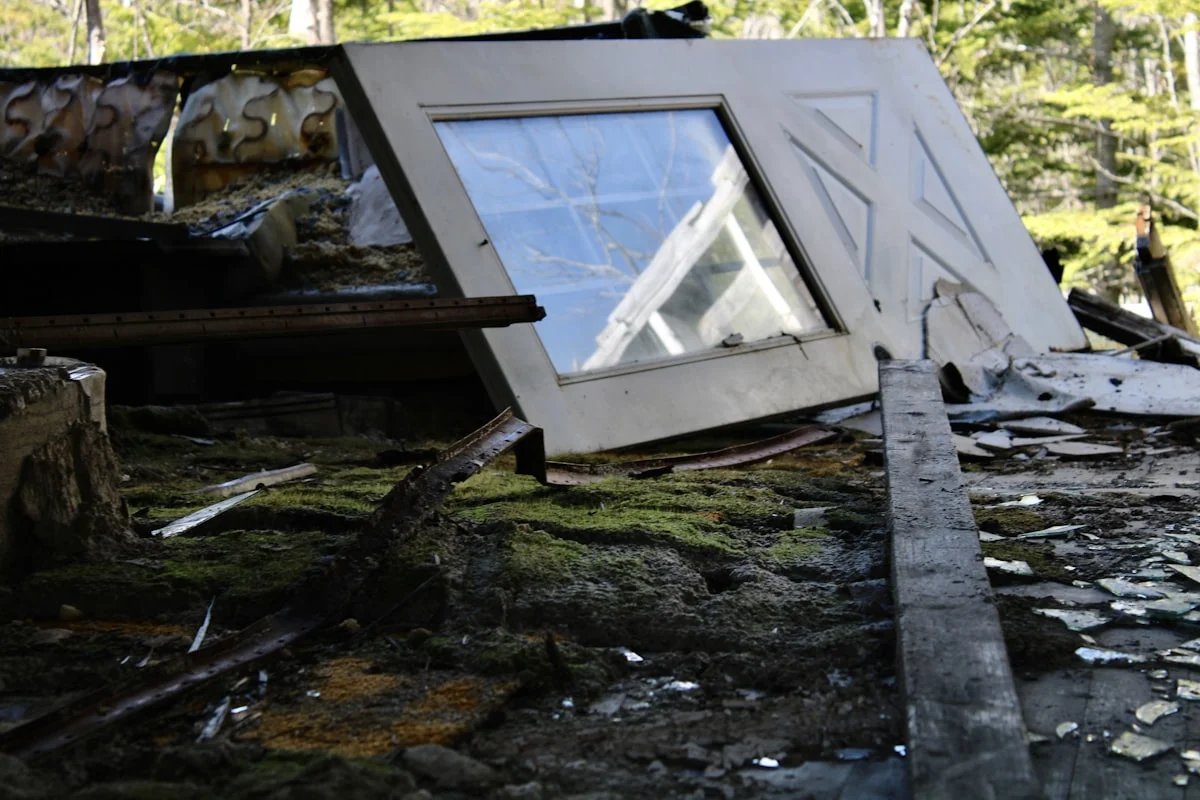
What Happens to a House in a Hurricane (And Why It's So Stressful)?
Hurricane damage comes in layers:
Immediate structural damage:
- Roof damage or complete loss
- Wall failure or exterior breaches
- Windows blown out
- Doors compromised
- Gutters and siding damaged
Secondary damage (happens within hours to days):
- Water intrusion into walls and attic
- Mold beginning to grow in wet materials
- Electrical damage and hazards
- HVAC system failure
Tertiary damage (develops over weeks):
- Mold spreading through walls and insulation
- Structural wood beginning to rot
- Electrical systems creating fire hazards
- Contents (furniture, belongings) becoming unsalvageable
The Insurance Route: How Claims Work (And Why It Takes So Long)
Step 1: Report the damage (Days 1–3 after storm)
You file a claim with your insurer. They'll likely be overwhelmed with hundreds of thousands of simultaneous claims.
Step 2: Insurance adjuster inspection (Weeks 1–4)
An adjuster comes out to assess damage. In a major hurricane, there's a queue. You might wait 2–4 weeks.
Step 3: Adjuster report and approval (Weeks 2–6)
The adjuster submits findings. If the damage is complex (did it come from wind or water? is mold pre-existing?), there's investigation and negotiation.
Step 4: Getting paid (Weeks 3–8)
Once approved, the insurer cuts a check. But they might require licensed contractors and bids before paying.
Step 5: Hiring contractors and scheduling work (Weeks 4–16)
After a major hurricane, every contractor in Florida is slammed. Getting quotes takes weeks. Scheduling work takes longer.
Step 6: Construction and inspections (Weeks 8–24)
Major work (new roof, framing repair, electrical) takes time. Building permits add waiting time.
Step 7: Sell the "recovered" home (Weeks 20+)
Once repairs are done, you list the home. Buyers see "hurricane damaged" in the title history. Some buyers automatically exclude them.
Total timeline: 5–7 months or longer.
The Cash Buyer Option: Sell Now, Move Forward
Step 1: Call and describe the damage (Day 1)
You tell us what the hurricane did. We understand the situation and schedule an inspection.
Step 2: Our inspection (Days 1–3)
We come out, assess the damage, take photos, and ask questions. We've seen hurricane damage before.
Step 3: Firm cash offer (Days 2–4)
We evaluate everything: roof damage, water intrusion, mold risk, structural issues. We factor all of it into one firm offer, no contingencies, no inspection renegotiation.
Step 4: Close (Days 5–7)
You sign paperwork, we fund the purchase, you get cash in hand.
Total timeline: about 4–5 weeks.
Real-World Scenario: The Hurricane in Tampa
Jessica lived in a Tampa home for 12 years. Hurricane Ian hit and her home took a direct hit. Roof is partially gone. Attic is exposed. Water damage in the upper floor.
Option 1: Insurance + Repairs + Traditional Sale
Insurance approves $55,000. Contractor books her for week 7. Work spans weeks 6–14. She's displaced that whole time, staying with her sister or in a hotel. Temporary housing cost: $3,000.
By week 15, repairs are complete. She lists the home. The house sits on market for 50 days. She drops the price by $15,000 to attract buyers.
Pre-hurricane value: ~$320,000. Sale price after discount: $305,000. Less: repairs ($55,000). Less: temporary housing ($3,000). Less: deductible ($1,000). Less: agent commission ($18,300). Less: closing costs ($3,000).
Net proceeds: $224,700. Total timeline: 22 weeks.
Option 2: Sell to Cash Buyer Immediately
Jessica's neighbor James had similar damage but is getting divorced and moving to North Carolina for his job. He calls Pallas Growth the day after the storm clears.
We inspect his property and make an offer: $275,000: cash, firm, no contingencies. James accepts, the inspection period runs about 10 business days, and he closes about 2–3 weeks after that.
Net proceeds: $275,000. Timeline: about 4–5 weeks.
The Comparison:
| Aspect | Insurance + Repairs | Cash Buyer |
|---|---|---|
| Net proceeds | $224,700 | $275,000 |
| Timeline | 22 weeks | about 4–5 weeks |
| Your displacement | 8+ weeks | 0 weeks |
| Contractor stress | High | None |
| Insurance negotiation | Yes | No |
| Uncertainty in sale | Moderate | None |
James got more money, closed 15 weeks faster, and didn't live in a construction zone.
When to Choose Insurance + Repairs vs. Cash Sale?
Choose insurance + repairs if:
- You're emotionally attached to the home and want to keep it
- The damage is relatively minor
- You have time and energy to manage the process
- You want to eventually return to living in the home
Choose a cash buyer if:
- You're displaced or relocated and don't plan to move back
- The damage is extensive and insurance is complex
- You're exhausted and need closure quickly
- You're facing other pressures (job loss, divorce, relocation)
- You want certainty and cash immediately
Important: Selling Doesn't Prevent Insurance Claims
Selling a hurricane-damaged home to a cash buyer doesn't necessarily prevent you from pursuing insurance claims. Your insurance claim is based on your ownership at the time of loss. Talk to your insurance agent if you're considering a sale to understand how it affects your claim.
Frequently Asked Questions
Q: If I sell to a cash buyer, do I lose my insurance claim?
Not necessarily, but it depends on your policy and timing. Consult with your insurance agent before selling.
Q: Will a cash buyer offer less because the home is hurricane-damaged?
Yes, the offer will reflect repair costs and risk. But that offer is made upfront, it's firm, and you close quickly.
Q: Can I negotiate a higher cash offer if I get insurance approval first?
Possibly. If you have an insurance approval for $50,000 in repairs, that reduces the cash buyer's estimated remediation cost. But you'd also be waiting weeks for approval. It's a trade-off.
Q: What if the hurricane damage is covered by insurance but the buyer discovers additional damage later?
That's a risk for the cash buyer, not you. Once you close and receive cash, you're out of the picture.
Ready to Sell Your Florida Home Fast?
If you're ready to sell your Florida home fast for cash, Pallas Growth is here to help. Get your free, no-obligation cash offer at pallasgrowth.com. We'll be in touch as soon as possible. Get My Cash Offer →